Kidney Failure Stem Cell Transplant A Science Based Hope With Practical Logic
Kidney failure changes life quickly. One day the kidneys work quietly. The next day machines, medicines, and strict schedules take control. Many patients search for better options that support natural healing. Kidney Failure Stem Cell Transplant has gained attention because it focuses on repair instead of replacement. This article explains the science, facts, and current understanding in a clear and honest way.
The goal stays simple. Share real information, add logic, keep it readable, and respect medical truth. No hype. No fantasy. Just facts with a human touch.
Understanding Kidney Failure In Simple Words
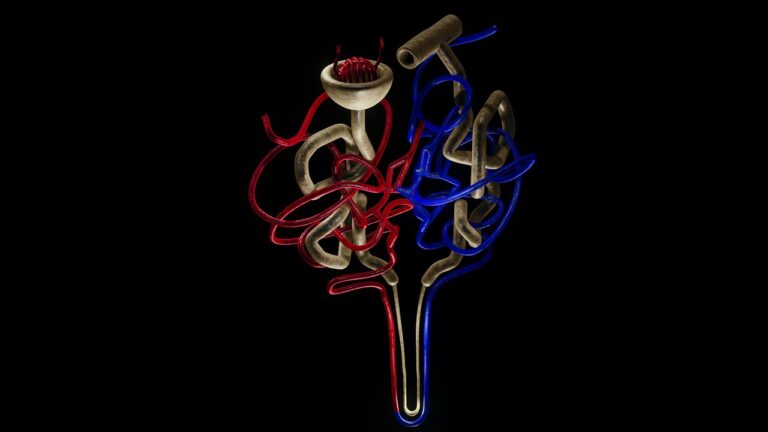
Kidneys filter waste, balance fluids, control blood pressure, and support red blood cell production. When kidneys fail, toxins build up fast. Energy drops. Swelling appears. Appetite fades. Life feels heavy.
Medical science defines kidney failure as end stage renal disease. According to the National Institute of Diabetes and Digestive and Kidney Diseases, diabetes and high blood pressure cause most cases worldwide. Genetics, infections, and autoimmune diseases also play roles.
Doctors usually suggest dialysis or kidney transplant. Dialysis keeps people alive but affects quality of life. Kidney transplant improves survival but faces donor shortages and lifelong immune suppression.
This reality drives interest toward regenerative medicine.
What Is Stem Cell Therapy And Why It Matters
Stem cells act as repair units inside the body. They can self renew and support tissue regeneration. Researchers study them because they release growth factors and reduce inflammation.
The National Institutes of Health describes stem cells as cells that can develop into many specialized cell types. In kidney disease, the goal focuses on repair, protection, and slowing damage.
Stem cell therapy does not replace kidneys like surgery does. It supports healing at the cellular level. That difference matters.
How Kidney Failure Stem Cell Transplant Works
Kidney failure stem cell transplant uses carefully processed stem cells introduced into the body through intravenous or targeted methods. Doctors often use mesenchymal stem cells because of their safety profile.
These cells do not magically turn into new kidneys. Instead, they release signals that help damaged kidney tissue survive and recover. They reduce inflammation and improve blood flow.
Studies published in journals such as Kidney International and The Lancet report that stem cells show anti inflammatory and anti fibrotic effects. These properties help slow disease progression.
Science prefers teamwork over miracles. Stem cells work with the body, not against it.
What Research Says About Effectiveness
Clinical studies continue worldwide. Researchers from institutions like Harvard Medical School and Mayo Clinic confirm that stem cell therapy shows promise in chronic kidney disease management.
A review published by the National Center for Biotechnology Information highlights improvements in kidney function markers and reduced protein loss in urine among some patients.
The World Health Organization emphasizes careful regulation and ethical application. They encourage controlled clinical use rather than commercial exaggeration.
So far, evidence supports potential benefits but not universal cures. That honesty builds trust.
Benefits Observed In Patients
Many patients report improvements that matter in daily life. These benefits vary based on disease stage and overall health.
Commonly reported outcomes include
Improved energy levels
Better urine output
Reduced inflammation markers
Slower disease progression
Support for existing kidney function
Doctors measure progress using blood tests like creatinine and estimated glomerular filtration rate. Some patients see stabilization rather than decline. In kidney disease, stability counts as success.
Who May Consider This Treatment
Kidney failure stem cell transplant may suit patients with chronic kidney disease stages three to five who still have some kidney function left. Early intervention offers better outcomes.
Patients with uncontrolled infections, advanced cancer, or severe immune disorders usually do not qualify. Doctors must evaluate each case carefully.
The International Society for Stem Cell Research stresses patient screening and ethical protocols. Safety always comes first.
Safety And Ethical Considerations
Stem cell therapy requires strict quality control. Reputable centers follow guidelines from health authorities and scientific bodies.
According to the Food and Drug Administration and similar global agencies, stem cell treatments must follow clinical standards. Unregulated clinics raise risks and damage trust.
Ethical practice includes informed consent, realistic expectations, and post treatment monitoring. Medicine works best when honesty leads.
Dialysis Versus Stem Cell Therapy A Logical Comparison
Dialysis replaces kidney function mechanically. It cleans blood but does not heal kidneys. Patients spend many hours weekly attached to machines.
Stem cell therapy aims to support natural repair. It does not eliminate dialysis instantly. Some patients reduce dependency over time. Others maintain stable function longer.
Think of dialysis as a life jacket. Think of stem cells as learning to swim better. Both can work together.
Lifestyle Support Matters More Than You Think
Stem cell therapy alone cannot win the battle. Diet, hydration, blood sugar control, and blood pressure management play huge roles.
The American Kidney Fund confirms that nutrition and lifestyle strongly affect kidney health. Patients who follow medical advice respond better to advanced therapies.
Yes, vegetables matter. Sadly, junk food still loses.
Current Limitations You Should Know
Science still explores optimal dosage, frequency, and delivery methods. Long term data continues to grow.
Not every patient responds the same way. Genetics, disease cause, and treatment timing influence outcomes.
Responsible doctors explain limits clearly. If someone promises a guaranteed cure, logic suggests walking away.
Why India Plays A Role In Stem Cell Research
India contributes actively to regenerative medicine research. Institutions follow guidelines set by the Indian Council of Medical Research.
Many international patients seek treatment due to cost efficiency, skilled specialists, and growing clinical experience.
Quality centers emphasize transparency, proper sourcing, and patient safety. These values align with global standards.
Building Trust Through Real Science
Google values experience, expertise, authority, and trust. Medical content must reflect those principles.
Using data from trusted organizations such as WHO, NIH, and peer reviewed journals strengthens credibility. Avoiding exaggerated claims protects patients and platforms alike.
Trust grows when science speaks calmly and clearly.
Future Outlook For Kidney Regeneration
Researchers explore bioengineering, gene therapy, and advanced stem cell techniques. Progress continues steadily.
The National Kidney Foundation supports regenerative research as part of future care models. While full kidney regeneration remains complex, supportive therapies show realistic promise.
Hope feels stronger when facts support it.
Final Thoughts A Balanced And Human View
Kidney failure stem cell transplant represents a supportive medical approach rooted in science. It does not replace standard care but may enhance outcomes for selected patients.
Humor helps cope, but logic guides decisions. Science rewards patience, not shortcuts.
Patients deserve clear information, ethical treatment, and realistic expectations. When medicine respects truth, both doctors and patients win.
If kidneys could talk, they would probably say thank you for trying to help instead of replacing us. And honestly, that sounds fair.